IPO Analysis: How to Analyse an IPO?

Every IPO promises growth, but how do you separate winners from hype?
In bull markets, IPOs attract huge attention, but not all are worth your money. Many list at a premium but fail to sustain. This guide will help you evaluate IPOs step by step, so you invest based on facts, not fear of missing out.
Why IPO Selection Matters
Unlike listed companies, IPOs have no price or performance history. High demand in an IPO can be driven by speculation, not actual fundamentals.
Many IPOs give quick listing gains but fade over time, with poor returns. Without proper due diligence, you risk overpaying for weak businesses. Focus on identifying companies with sustainable growth potential, not just temporary hype. Early entry doesn’t ensure better returns so invest wisely with thorough analysis.
Factors to Analyse Before Investing
Few factors to evaluate before investing in an IPO:
- Business Model – Check if it is scalable and future ready. Can it adapt to market changes or is it dependent on a single trend?
- Industry Outlook – Assess whether the sector is growing with long term potential or already saturated with intense competition.
- Revenue Sources – Understand if the revenues are sustainable and diversified, supported by repeat customers rather than one time contracts.
- Competitive Edge – Look for strong brand value, proprietary technology or pricing power. A company without a clear advantage may struggle after the initial IPO hype fades.
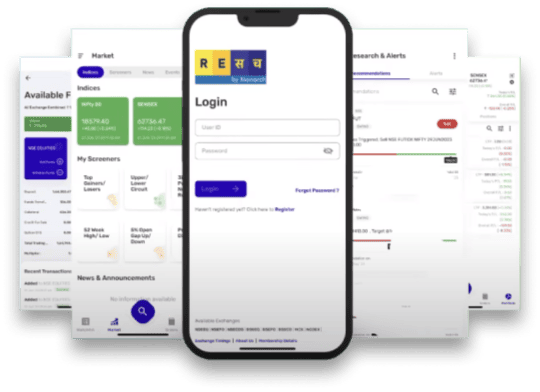
Research → Analyse → Invest. Start your IPO journey with Monarch’s ReSach app.
Open Account & Start Investing
How to Read Red Herring Prospectus (RHP)
RHP is the most authentic source of information. You can find it on SEBI or stock exchange websites. As an investor, you should focus on:
- Company background – history, products, markets served.
- Risk factors – what could hurt the business?
- Objective – Is the money for growth or just debt repayment?
- Financial statements – revenue, profit, margins.
- Promoters holding post-issue – are they retaining a strong stake?
Many skip it for social media opinions, but RHP shows the real picture by telling you if the IPO is for expansion or simply an exit route for early investors.
Financial Parameters to Focus On
Here are few financial parameters you should assess before investing in an IPO:
- Revenue & Profit Trends – Consistent growth over the past three years, signals strong fundamentals.
- EBITDA Margins – Higher margins reflect better operational efficiency and cost management.
- ROE & ROCE – Reflect how well a company generates returns on capital, higher is better.
- Debt to Equity Ratio – High ratio means the company has taken too much debt, which can slow future growth and increase risk. A lower ratio suggests financial stability and lower risk.
- Cash Flows – Healthy, positive cash flow shows the business can sustain its operations.
Understanding IPO Valuations
Even a strong business can be a bad investment if overpriced. To judge the price, look at valuation ratios.
- P/E ratio (Price to Earnings): Shows what investors pay per rupee of profit. A much higher P/E than peers without stronger growth may mean overpricing.
- P/BV ratio (Price to Book Value): Compares the market price to the company’s actual assets. A high P/BV needs strong growth to justify it.
- EV/EBITDA ratio (Enterprise Value to Earnings): Measures company value vs. earnings. A lower number usually indicates a more reasonable price.
Always compare these with listed peers. If the IPO is priced much higher without better growth or profits, rethink investing.
Turn IPO insights into action.
Get your Demat account and trade smarter today.
Grey Market Premium (GMP): Boon or Bubble?
GMP reflects market sentiment before listing. A high GMP shows demand but doesn’t guarantee listing gains or long-term performance. Treat GMP as an indicator, not a decision-maker.
Many investors blindly chase IPOs with high GMP, but the stock falls after listing. Sentiment can change overnight, but business fundamentals remain constant.
Promoter and Management Quality
The company's strength depends on the leadership team. Good promoters focus on long-term value, while weak ones may exit after raising funds. Check promoters’ track record and governance history, past fraud or regulatory issues are red flags.
Also, check how much stake they retain post-IPO. Heavy dilution can signal low confidence in future growth. Strong, trustworthy management can drive sustainable growth, while poor leadership can destroy value.
Red Flags to Watch Out For
You must be cautious and notice if any of these warning signs exist.
- Too many deals with related parties – When a company keeps doing business with family owned or connected firms, it may not be transparent.
- Legal Issues - Ongoing cases or disputes can impact future performance.
- Overhyped Marketing – Heavy promotion without solid financials is a warning sign.
- High Offer for Sale – Large promoter sell-offs suggest low confidence in the company’s future.
- Low R&D/Expansion Spend – Minimal investment in business, hints at weak growth prospects.
IPO vs Existing Listed Peers
Before applying for an IPO, compare with peers listed on the stock exchange.
- Is the company as big and stable as its competitors?
- Are its profits and margins better or worse than theirs?
- Is it asking for a higher price even though it performs weaker?
If a listed competitor is cheaper and financially stronger, that company might be a better choice. Sometimes, buying a solid existing company is safer than chasing an overhyped IPO.
10 Questions Before Applying
You must ask the following questions before investing in an IPO
- Do I understand the business model clearly?
- Are financials strong and improving?
- Why is the company raising money?
- Is the IPO pricing reasonable?
- Are promoters retaining significant stake?
- Is the industry growing?
- What key risks are disclosed?
- Does it face intense competition?
- Is GMP aligned with fundamentals?
- Would I still buy this stock after listing?
If you’re unsure about most answers, it’s better to skip the IPO and protect your capital.
Case Studies: Good vs Bad IPOs
- Good IPOs like IRCTC and DMart did well because they had strong business models, reasonable pricing, and long-term growth. Investors who stayed invested made steady returns.
- IPOs like Reliance Power or Paytm (initially) were overhyped & overpriced, even though they disappointed post-listing.
Lesson Learnt: Choose IPOs with solid businesses, fair prices, and trustworthy promoters instead of blindly following market hype. Analyse stock with risk reward ratio.
Disclaimer: Past performance is not a guarantee of future profits. Read all documents carefully before investing and consult a SEBI-registered advisor for better understanding.
Conclusion
IPOs can be rewarding, but only if you research well before investing. Read the RHP, check valuations, compare peers and assess the promoters. Don’t follow hype or just rely on GMP, so focus on strong businesses with fair pricing and good management. IPO investing needs patience and research. The right IPO builds wealth, while the wrong one can trap your money for years.
Disclaimer: This blog is for educational purposes only and does not constitute investment advice, an offer to buy/sell securities, or a recommendation. Past performance is not indicative of future results. Investors should consult a SEBI-registered advisor before making decisions. Mention of third-party entities is for illustration only and not an endorsement. Readers are advised to consult their financial advisors or conduct independent research before making any investment decisions. Past performance is not indicative of future results. MNCL is a SEBI-registered intermediary (SEBI Registration No: INZ000008037). For further details, visit www.sebi.gov.in.