Mental Discipline of a Successful Trader

Trading looks exciting from the outside. Fast decisions, real-time moves, sharp instincts. But the traders who last i.e. who don’t just survive but actually grow have something else that doesn’t show up on a chart.
Discipline.
And not the kind that’s loud or dramatic. The quiet kind. The kind that stops a trader from acting when it’s not necessary. The kind that keeps them from chasing a loss, or letting one good trade inflate their confidence.
This isn’t about strategy. This is trader psychology; the mental framework that decides whether a person trades with clarity or chaos.
It’s Not the Market, It’s the Mind
Most people think it’s the market that beats them. Prices moved too fast. A news event came out of nowhere. A stock didn’t follow the pattern. That’s only part of the story.
Often, it’s the trader’s own reaction that does the damage. Doubt during a winning trade. Panic during a small loss. The impulse to act just to feel in control.
The mental part of trading is invisible, but it drives everything.
What Mental Discipline Looks Like
A disciplined trader doesn’t always have the best entry. Or the lowest risk. Or the most advanced tools.
But they have boundaries.
They sit out when there’s no setup. They let a trade go if it breaks their rules. They stay consistent, even when it’s boring. And yes, most of the trading is not thrilling. It’s slow. It’s repetitive. It’s quiet work that demands emotional distance.
The best traders don’t need the market to move all day. They need their own thinking to stay still.
The Traps That Take Most People Down
Let’s call them what they are.
- Revenge trades after a loss
- Fear of missing out after a rally
- Overconfidence after a winning streak
- Second-guessing a well-planned trade just because it hasn’t moved yet
All of these are emotional patterns. Not technical ones. They show up across markets, across experience levels, and often when things seem like they’re going well.
Trader psychology doesn’t stop these thoughts from coming. It just keeps them from making the decisions.
What Helps Build That Discipline
No single routine works for everyone. But certain habits tend to stick with those who trade well:
- Defining risk per trade, before entering
- Journaling trades, especially the emotional reasons behind them
- Taking breaks after a loss not to punish, but to pause
- Asking: “Would I take this trade if I hadn’t just lost or won the last one?”
Over time, the mental muscles build. Decisions get cleaner. The noise gets quieter.
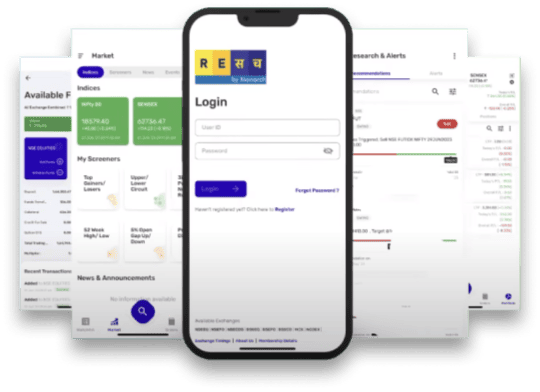
Discipline starts with the right platform. Trade confidently with Resach by Monarch.
What Nobody Tells You
Discipline doesn’t always feel good. Sometimes it means missing a move. Or watching a stock hit your stop loss, then bounce right back. Or sitting through a week of nothing worth trading.
But that discomfort is short-lived. The cost of emotional trades is not.
That one decision you didn’t wait for? It can erase weeks of work.
Build mental edge + market edge – begin your trading journey with ReSach.
Sign Up Now
The Traders Who Make It
They don’t talk about trading all day. They don’t watch every candle. And they don’t pretend to know what comes next.
They work on control not just of their trades, but of their reactions.
Because in the end, skill matters. Tools matter. But discipline decides.
And discipline begins where impulse ends.
Disclaimer: This blog is for educational purposes only and does not constitute investment advice, an offer to buy/sell securities, or a recommendation. Past performance is not indicative of future results. Investors should consult a SEBI-registered advisor before making decisions. Mention of third-party entities is for illustration only and not an endorsement. Readers are advised to consult their financial advisors or conduct independent research before making any investment decisions. Past performance is not indicative of future results. MNCL is a SEBI-registered intermediary (SEBI Registration No: INZ000008037). For further details, visit www.sebi.gov.in.