How to Participate in a Share Buyback via Demat Account: Step-by-Step Guide

A share buyback is one of the most important corporate actions for investors. If done right, it can generate strong returns — but many retail investors still don’t know how to apply for buyback in India or how the tender process actually works.
In this guide, we break down the complete buyback participation process, including eligibility, acceptance ratio, tax rules (post-2024), and real-world examples.
👉 Want to participate in buybacks seamlessly? Use our Retail Broking Platform to track and apply for all corporate actions in one place.
Types of Buyback Routes in India
Tender Offer (Most Common)
This is the primary route used by companies. Shareholders tender shares at a fixed buyback price.
- Only shareholders as of record date are eligible
- Shares are accepted based on acceptance ratio
- Retail investors often get preferential allocation
Open Market (Now Discontinued)
As per SEBI regulations, open market buybacks have been fully phased out from April 1, 2025. Companies now primarily use the tender route.
Eligibility Criteria to Participate in Buyback
Record Date & Odd-Lot Entitlement
- You must hold shares in your demat account on the record date
- Retail investors (≤ ₹2 lakh holding) fall under reserved category
- Odd-lot investors often get higher or near 100% acceptance
👉 Don’t have a demat account yet? Open one instantly via MNCL E-KYC Demat Account
Step-by-Step: How to Tender Shares in a Buyback
Via Broker/Trading Platform
- Login to your trading account
- Go to “Corporate Actions” → Buyback
- Select the company
- Enter quantity of shares to tender
- Submit order before deadline
Shares will be blocked in your demat account until the buyback is processed.
Via CDSL/NSDL Portal
- Login to CDSL/NSDL portal
- Select buyback option
- Authorize tender request
This acts as a verification layer for your broker submission.
Documents & Demat Account Requirements
- Active demat account (CDSL/NSDL)
- PAN linked to account
- Shares held before record date
- Broker access for tendering
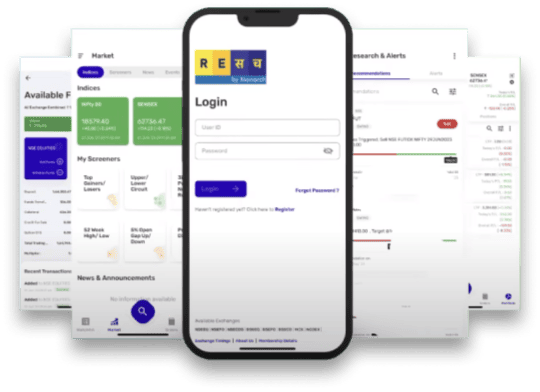
📊 Track all buyback alerts and corporate actions via ReSach App
Acceptance Ratio – What It Is and Why It Matters
Acceptance Ratio = Shares Accepted / Shares Tendered
This determines your actual profit.
Example:
- You tender: 100 shares
- Acceptance ratio: 30%
- Accepted shares: 30
- Remaining 70 shares returned
Real Case:
- Buyback size: ₹17,000 crore
- Retail acceptance (odd-lot): ~90%+
👉 Insight: Smaller investors often benefit more due to reserved category allocation.
Post-Buyback Process: Settlement & Share Return
- Settlement timeline: ~T+5 working days
- Accepted shares: money credited to bank account
- Unaccepted shares: returned to demat account
Tax Treatment on Tendered Shares (Updated 2026)
Post Finance Act 2024, taxation has changed significantly:
- Buyback proceeds = treated as dividend income
- Taxed at your income slab rate
- TDS applicable if threshold exceeded
- You can claim capital loss on original purchase cost
Example:
- Buy price: ₹1,000
- Buyback price: ₹1,800
- ₹1,800 taxed as income
- ₹1,000 treated as capital loss (can offset gains)
Should You Participate in a Buyback?
Participating makes sense if:
- Buyback price is significantly higher than market price
- Acceptance ratio is favorable
- You want partial exit with premium
⚠️ Avoid blindly participating — evaluate tax impact and opportunity cost.
FAQs on Buyback Participation
Q1: How many days before buyback closing can I tender shares?
You can tender anytime during the buyback window, typically open for 5–10 working days.
Q2: What happens to unaccepted shares?
They are returned to your demat account after settlement.
Q3: Is there a minimum number of shares required?
No minimum requirement. Even 1 share can be tendered.
Q4: Can NRIs participate?
Yes, subject to RBI/FEMA compliance and broker support.
Q5: How do I know acceptance ratio beforehand?
It cannot be known exactly — estimates are based on past buybacks and participation levels.
Q6: Will I lose LTCG benefit?
Yes — buyback proceeds are taxed as income, not capital gains.
Sources & References
- Buyback Regulations & LODR
- Finance Act 2024 amendments
- Corporate Actions Data
- Buyback Filings
- Company Filings: TCS Buyback 2023 Investor Release
Final Takeaway
A share buyback can be a powerful opportunity — but only if you understand the acceptance ratio, tax implications, and process.
👉 Use tools, track corporate actions, and avoid common mistakes like ignoring tax impact.
Pro Tip: Most serious investors use buybacks strategically — not emotionally.
Disclaimer: Investments in the securities market are subject to market risks, read all the related documents carefully before investing. The information provided in this material is only for education purposes and should not be used for public distribution and must not be reproduced or redistributed to any other person. One must consult their legal, tax and financial advisors before taking any investment related decisions. https://www.mnclgroup.com/research-disclaimer